

Beyond Eye Drops: Advanced Dry Eye Treatments in Elgin
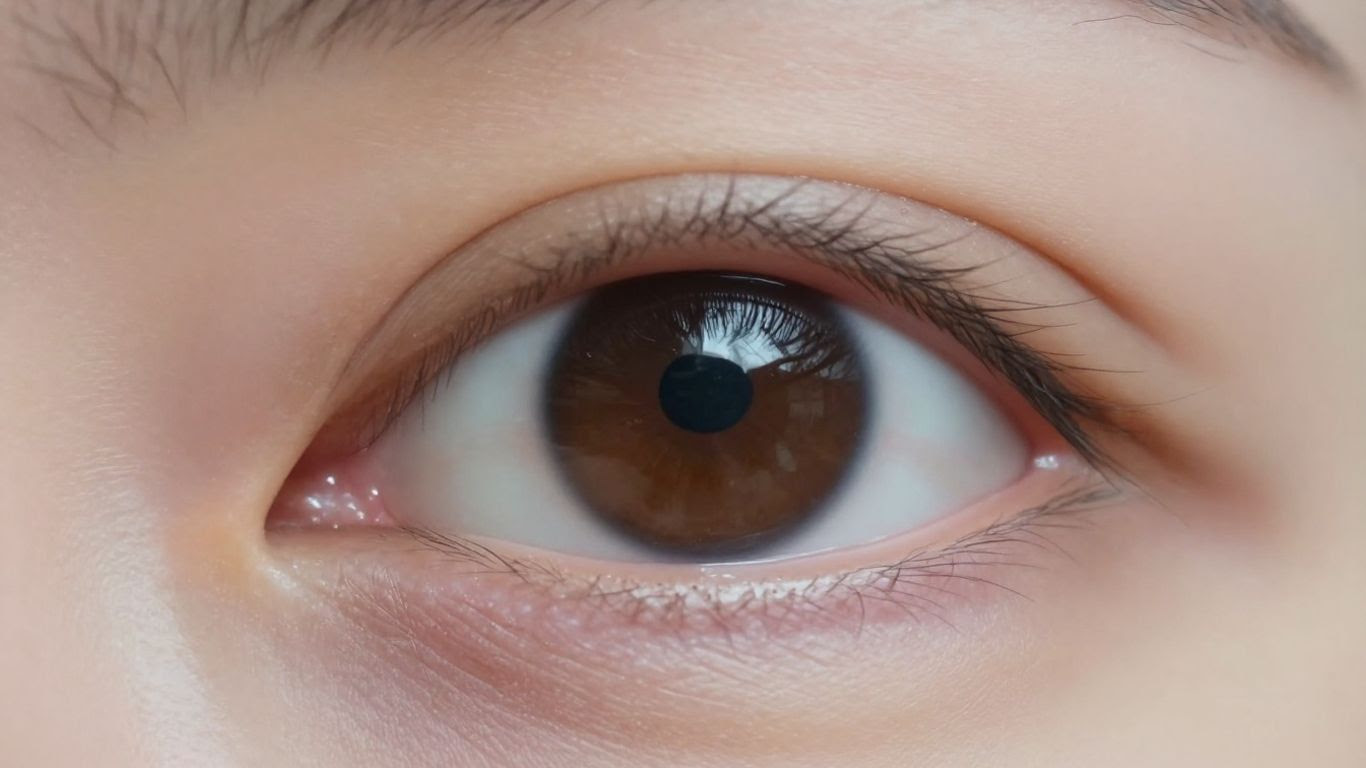
Itchy, burning eyes can really throw off your day, right? If you're in Elgin, IL, and dealing with dry eyes, you're not alone. It's a common problem, but the good news is there are ways to find relief. We're talking about advanced dry eye treatment elgin options that go beyond just basic drops. Let's look at what's out there to help your eyes feel more comfortable.
Key Takeaways
Dry eye happens when your eyes don't make enough tears or the tears aren't good quality, leading to discomfort and sometimes vision problems.
Figuring out why your eyes are dry involves looking closely at things like your tear film and the tiny glands in your eyelids.
Treatments range from simple things like warm compresses and special drops to more advanced options like light therapy or special contact lenses.
Newer treatments like OptiLight, the only FDA-approved Intense Pulsed Light (IPL) treatment for dry eye, and Optilift, a Radiofrequency (RF) treatment, can help improve how your eyelid glands work.
Working with your eye doctor and your regular doctor is important, especially if other health issues might be affecting your eyes.
Understanding Dry Eye Disease In Elgin
Dry eye disease is more than just a minor annoyance; it's a real condition that can significantly impact your daily life and the health of your eyes. Here in Elgin, many of us experience symptoms that range from a mild gritty feeling to serious discomfort that makes it hard to focus or even keep our eyes open. It happens when your eyes don't make enough tears, or when the tears they do make aren't the right quality and evaporate too fast. This can lead to inflammation, pain, and sometimes even vision changes if it's not addressed.
What Causes Dry Eye Syndrome?
So, what's behind this common problem? It's not just one thing. Aging plays a role, as tear production can naturally decrease over time. Certain medications, like antihistamines or some blood pressure drugs, can also dry out your eyes. If you have conditions like diabetes, rheumatoid arthritis, or thyroid issues, you might be more prone to dry eye. Even environmental factors like dry air, wind, or spending hours in front of a computer screen can contribute. The key is that dry eye is often multifactorial, meaning several things can be happening at once.
Recognizing Common Dry Eye Symptoms
How do you know if you're dealing with dry eye? Look out for these signs:
A stinging, burning, or scratchy sensation in your eyes.
Eyes that feel gritty, like there's sand in them.
Redness or a feeling of irritation.
Sensitivity to light.
Blurred vision that seems to come and go, especially when you're reading or using a computer.
Sometimes, your eyes might even water excessively. This is often a reflex response to irritation, where your brain tells your eyes to make more tears, but they're not the right kind of tears to actually lubricate your eyes.
The Impact of Dry Eye on Ocular Health
Ignoring dry eye symptoms isn't a good idea. When your eyes are consistently dry, the surface of your eye, called the cornea, can become inflamed or even damaged. This can lead to persistent discomfort and can make your vision less clear. It can also make it really difficult to wear contact lenses comfortably. For some, it's a constant battle that affects their ability to work, read, or enjoy everyday activities. Getting a proper diagnosis is the first step toward finding relief and protecting your vision long-term. If you're struggling with eye discomfort, it's worth looking into comprehensive eye health evaluations to understand what's going on.
Comprehensive Dry Eye Diagnostics
Advanced Ocular Surface Imaging
Figuring out why your eyes feel so dry often means looking beyond just how much tear fluid you seem to have. We use special imaging tools to get a really close look at the surface of your eye. This isn't just about seeing if it's red; it's about checking the health of the tiny cells that make up your cornea and conjunctiva. These images help us spot subtle changes that might be causing your discomfort, even if they aren't obvious to the naked eye. It’s like getting a detailed map of your eye’s surface so we know exactly where to focus our treatment efforts.
Meibography for Gland Assessment
Meibography is a neat technique that lets us see your meibomian glands. These are the little glands in your eyelids that produce the oily layer of your tears. This oil is super important because it stops your tears from evaporating too quickly. When these glands aren't working right, your tears can dry out fast, leading to that gritty, uncomfortable feeling. The meibography machine takes pictures of these glands, showing us if they're blocked, shrunken, or just not functioning well. It gives us a clear picture of meibomian gland dysfunction (MGD), a really common reason for dry eyes. We can then tailor treatments specifically to get those glands back on track.
Detailed Tear Film Analysis
Your tear film is more than just water; it's a complex mix of oils, water, and proteins. We can analyze different aspects of your tear film to understand its quality. This might involve measuring how quickly your tears evaporate or checking the stability of the tear film. Sometimes, even if you feel like you have enough tears, the balance might be off, causing problems. A thorough tear film analysis helps us pinpoint the specific issue, whether it's a lack of oil, poor water content, or something else entirely. This detailed look is key to finding the right solution for your unique dry eye situation. We can also look at things like how much inflammation is present on the ocular surface, which is often a hidden culprit in dry eye disease. This kind of detailed diagnostic work is what sets apart effective dry eye care from just guessing. It’s about getting to the root cause, not just treating the symptoms. If you're looking for advanced eye care, services have a range of services to help.
Personalized Dry Eye Treatment Strategies
Foundational Comfort Measures
When your eyes feel dry, the first step is often about making them more comfortable right away. This usually involves a few simple things you can do at home. Think of it as building a good base for your eye health. We often start with preservative-free artificial tears. These are like a quick drink for your eyes, helping to add moisture when your natural tears aren't cutting it. Then there's lid hygiene. This means keeping your eyelids clean, which can help your oil glands work better. Sometimes, a warm compress can really help too; it can warm up the oils in your eyelids that are important for a healthy tear film. Staying hydrated by drinking enough water and maybe adding some omega-3 fatty acids to your diet can also make a difference. We might also talk about simple changes to your environment, like using a humidifier or taking breaks from screens.
Prescription Therapies for Inflammation
If the basic steps aren't enough, or if there's a lot of inflammation causing your dry eye, we look at prescription options. These medications are designed to tackle the inflammation that often goes hand-in-hand with dry eye disease. Some drops work by reducing the inflammatory response in your eyes, helping them to feel better and produce more stable tears. Others might help boost your natural tear production. It's about getting to the root of the problem, not just the symptoms. These treatments require a bit more attention and are tailored to your specific condition. We'll discuss the best fit for you, considering how your eyes are reacting and what's causing the dryness in the first place. Sometimes, for really bad flare-ups, a short course of steroid drops might be used, but that's usually temporary. Ophthalmology services can offer these advanced solutions.
Advanced Biologic Treatments
For some people, dry eye can be quite stubborn, and we need to bring out the heavier artillery. This is where advanced biologic treatments come in. These are often derived from your own body or use natural healing properties to help repair your ocular surface. Think of treatments made from your own blood serum, which contain natural growth factors that can help heal damaged eye tissues. Another option is using amniotic membranes, which are like a natural bandage that promotes healing for persistent dry eye issues. These treatments are usually reserved for more severe cases where other methods haven't provided enough relief. They work by giving your eyes the building blocks they need to heal themselves. It's a more involved process, but it can offer significant relief for those struggling with chronic dry eye. Seeking professional evaluation is key to determining if these advanced options are right for you.
Cutting-Edge Dry Eye Therapies Available
Sometimes, the usual drops and compresses just don't cut it. When dry eye symptoms are persistent or severe, we look to more advanced treatments. These therapies go beyond basic relief to address the root causes of your discomfort, aiming for longer-lasting results.
OptiLight (Intense Pulsed Light, or IPL) Therapy
OptiLight is the only FDA-approved Intense Pulsed Light (IPL) treatment for dry eye. It uses light to target inflammation and improve the function of the tiny oil glands in your eyelids, called meibomian glands. These glands are super important because they produce the oily layer of your tears, which stops them from evaporating too quickly. When these glands get blocked or don't work right (that's meibomian gland dysfunction, or MGD), your tears can evaporate fast, leading to dry eyes. OptiLight helps to unblock these glands and reduce inflammation around them. It's particularly helpful for people whose dry eye is linked to conditions like ocular rosacea or general MGD. A series of treatments is usually recommended for the best outcome. It's a pretty straightforward procedure, and many patients find it makes a big difference in how their eyes feel. OptiLight dry eye treatment can be a game-changer for many.
Optilift (Radiofrequency, or RF) Treatments
Optilift is the only technology that includes DMST (Dynamic Muscle Stimulation Technology), which helps tone the eyelid muscles and improve blinking efficiency. Similar to OptiLight, Optilift also aims to improve meibomian gland function. Optilift uses controlled heat energy to warm and loosen blockages within the glands. This gentle heat helps the oil flow more freely, which in turn stabilizes the tear film and reduces evaporation. Optilift treatments are often chosen for their ability to target deeper tissues and provide a warming effect that can be quite soothing. Like OptiLight, it's typically done in a series of sessions to achieve optimal results.
These advanced therapies are designed to tackle the underlying issues contributing to dry eye, offering a more sustained relief than temporary solutions. They represent a significant step forward in managing chronic dry eye conditions.
Specialty Contact Lenses for Dry Eye Relief
The Benefits of Scleral Lenses
Sometimes, even with the best drops and treatments, dry eye can still make life uncomfortable. That's where specialty contact lenses come in, and scleral lenses are a real game-changer for many. These aren't your average contacts. They're larger, rigid lenses that vault completely over the cornea, resting on the white part of your eye, the sclera. This unique design creates a fluid-filled reservoir between the lens and your eye's surface. This reservoir is typically filled with preservative-free saline before insertion, and it acts like a constant moisture bath for your entire eye. It's fantastic for keeping things hydrated all day long, which is a huge relief if your eyes feel gritty or burn by the afternoon. They're particularly helpful for conditions like severe dry eye, ocular surface disease, or even issues like keratoconus.
Customized Lens Fitting Process
Getting fitted for scleral lenses is a bit more involved than a standard contact lens fitting, but it's totally worth it for the comfort and vision improvement they can provide. It starts with a thorough eye exam to understand the specific shape and needs of your eye. We use advanced imaging to get precise measurements. Then, we select trial lenses from a range of sizes and curvatures. The goal is to find a lens that fits perfectly – not too tight, not too loose – and provides that crucial fluid reservoir without causing irritation. It often takes a few adjustments to get it just right, but once we do, you'll notice a significant difference in how your eyes feel. It’s a very personalized process, ensuring the lenses work best for your unique situation.
Here's a general idea of what the fitting process involves:
Initial Consultation & Measurement: We'll discuss your symptoms and perform detailed measurements of your eye's surface.
Trial Lens Fitting: You'll try on different lenses to assess comfort, vision, and fit.
Vision & Comfort Check: We'll fine-tune the prescription and lens parameters for optimal vision and comfort.
Follow-Up Appointments: We schedule check-ups to make sure the lenses are still fitting well and providing relief.
Wearing scleral lenses can feel different at first, but most people adapt quickly. The constant moisture and smooth surface they provide can make a world of difference for dry eye sufferers. It's about finding a solution that truly addresses the underlying issues causing your discomfort.
Collaborative Approach to Eye Wellness
Coordinating Care with Your Physician
Dry eye isn't always just about your eyes. Sometimes, what's happening in your body can really affect how your eyes feel. That's why we think it's super important to work with your other doctors, like your primary care physician or any specialists you see. When we all talk to each other, we can get a clearer picture of what's going on and make sure your eye treatment fits with your overall health plan. This teamwork helps us figure out the best way to help you feel better, both in your eyes and everywhere else. We share notes, discuss your medications, and coordinate any tests needed. It’s all about making sure you get the most effective care possible.
Addressing Systemic Health Connections
Many health conditions can play a role in dry eye. Things like autoimmune diseases, thyroid issues, or even diabetes can impact your tear production and eye comfort. We look at these connections closely. For example, if you have rheumatoid arthritis or Sjögren's syndrome, these can directly affect your eyes. Understanding these links allows us to tailor your dry eye treatment more precisely. It means we're not just treating the symptom; we're looking at the root cause. This approach helps us manage your dry eye more effectively in the long run.
Here are some common systemic connections we consider:
Autoimmune Diseases: Conditions like Sjögren's syndrome, lupus, and rheumatoid arthritis can cause inflammation that affects tear glands.
Thyroid Disorders: Both an overactive and underactive thyroid can lead to dry eye symptoms.
Diabetes: High blood sugar levels can affect nerve function and blood flow, impacting eye health.
Hormonal Changes: Fluctuations due to menopause or other factors can alter tear composition.
We believe your eyes are a window to your overall health. By considering your complete wellness picture, we can provide more targeted and effective care for your dry eye condition. This holistic view is key to achieving lasting relief and maintaining healthy vision.
Sometimes, managing dry eye might involve more than just eye drops. We might suggest looking at your diet, especially increasing omega-3 fatty acids, or making changes to your environment. If your dry eye is linked to a condition managed by another doctor, we'll work together to make sure all your treatments are in sync. For urgent eye concerns that pop up unexpectedly, remember that 24/7 emergency eye care is available. It's all part of making sure you're taken care of from every angle.
Finding Your Comfort Again
Dealing with dry eyes can really throw a wrench in your day-to-day life. It’s more than just a little irritation; it can make simple things like reading or looking at a screen tough. But the good news is, you don't have to just live with it. With all the different ways to treat dry eye now, from simple daily routines to more advanced procedures, there’s likely a solution that fits what you need. Taking that step to talk to a specialist in Elgin is the first move towards feeling more comfortable and seeing clearly again. Your eyes deserve that attention, and finding the right relief is totally achievable.
Frequently Asked Questions
What exactly is dry eye disease?
Dry eye disease happens when your eyes don't make enough tears, or the tears they do make aren't good quality. This can make your eyes feel uncomfortable, red, and even affect how well you see.
What are some common signs that I might have dry eyes?
You might have dry eyes if your eyes feel like they're burning, stinging, or have something gritty in them. Sometimes, your eyes might water a lot, or your vision could get blurry and then clear up again. Feeling sensitive to light and having trouble with contact lenses are also common signs.
Can simple things like eye drops help with dry eyes?
Yes, for many people, simple steps can make a big difference! Using preservative-free artificial tears, keeping your eyelids clean with warm compresses, and making sure you drink enough water can really help soothe your eyes.
What are some of the more advanced treatments for dry eyes?
When basic treatments aren't enough, we have other options. These can include special prescription eye drops to reduce swelling and help your eyes make more tears, or advanced treatments like using your own blood serum to help heal your eyes. We also offer special contact lenses called scleral lenses that act like a shield to keep your eyes moist.
What is OptiLight therapy for dry eyes?
OptiLight is the only FDA-approved Intense Pulsed Light (IPL) treatment for dry eye. It uses light to help improve the tiny oil glands in your eyelids. These glands are super important for making the oily layer of your tears, which stops them from drying out too fast. By improving these glands, OptiLight can really help with dry eye symptoms, especially if you also have redness or rosacea around your eyes.
How does Optilift work?
Optilift is a Radiofrequency (RF) treatment and the only technology that includes DMST (Dynamic Muscle Stimulation Technology). DMST helps tone the eyelid muscles and improve blinking efficiency. Optilift also focuses on your eyelid glands, using gentle heat to melt blockages and improve blood flow, helping these important oil glands work properly again so your tears can do their job better.

All Eye
Care Services

Keep
In Touch
MAP
Powered by: 